The Short Answer: Yes, cooking oil can be reused safely in a commercial kitchen when it is filtered, stored correctly, and replaced before it breaks down. The risk comes from reused oil that has been overheated, contaminated with food particles or water, or kept past its usable life. A consistent oil management process protects food quality, staff safety, and fryer performance.
Reusing frying oil is standard practice in foodservice operations. Oil is one of the highest-volume consumables in any kitchen that relies on deep frying, and replacing it after every use is neither practical nor cost-effective. The key is managing oil throughout its life cycle so that reuse stays safe, compliant, and consistent. This guide walks through the oil reuse process, from filtration and storage best practices to knowing when oil should be discarded and recycled.
Need a solution now? Schedule today with Mahoney→
Is It Safe to Reuse Cooking Oil in Foodservice Operations?
Reusing cooking oil is safe when proper controls are in place. The distinction matters because the volume and pace of a commercial kitchen are far different from home cooking. A restaurant running multiple fryers through a full-service operation produces significantly more stress on oil than someone frying a batch of french fries at home in a small pot of canola oil or peanut oil.
In a foodservice environment, oil management should be treated as an operational system, not a judgment call made on the fly. When kitchens establish clear protocols for filtration, temperature control, and replacement schedules, the oil stays within safe, usable parameters. When those controls are absent, oil degrades faster, food quality drops, and safety risks increase.
What Happens to Cooking Oil When It Is Reused
Understanding how oil breaks down helps kitchen staff recognize when it is still performing and when it needs to be replaced.
Heat Degradation and Oxidation
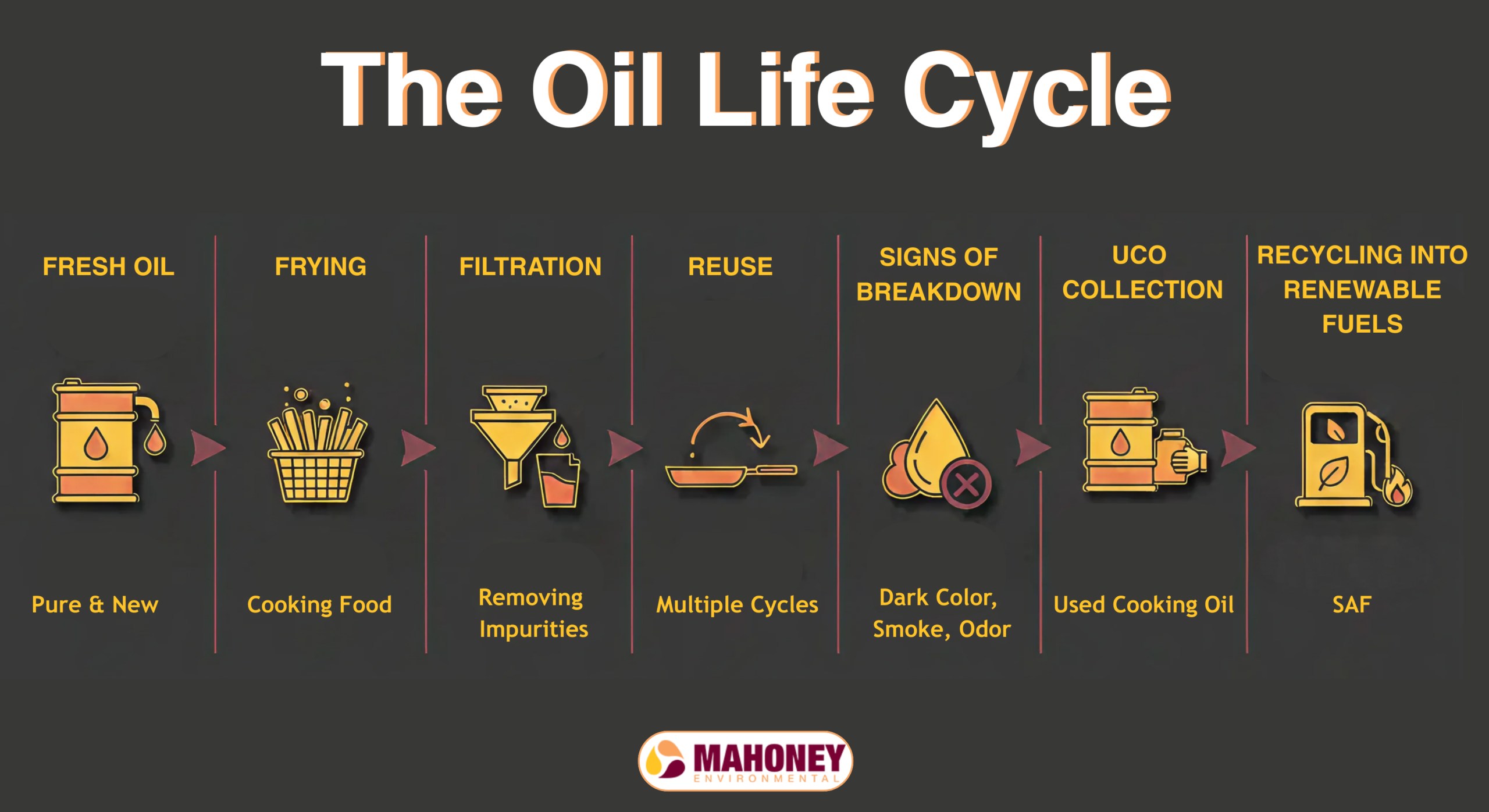
Every time cooking oil is exposed to high heat, it undergoes chemical changes. The fatty acids in the oil break down through oxidation, which lowers the smoke point and reduces stability. Over repeated cycles, this leads to:
- Smoking at lower temperatures than expected
- Off flavors and inconsistent cooking results
- Reduced oil stability during high-heat applications
- Formation of free radicals and other byproducts of thermal breakdown
Different types of oil degrade at different rates. A neutral oil like vegetable oil or canola oil will behave differently than animal fat or peanut oil under the same conditions, but all cooking oil breaks down faster with repeated exposure to high temperature.
Food Particles and Carbon Buildup
During deep frying, food particles — breading, batter, starches, and small pieces of product — shed into the oil. If not removed, those particles carbonize and accelerate degradation. The result is:
- Darker oil with a bitter taste
- Inconsistent cooking performance across batches
- Faster overall oil breakdown
High-volume items like breaded proteins or battered vegetables introduce more debris and shorten the oil’s usable life faster.
Moisture and Contamination Risks
Water is one of the most common contaminants in frying oil. Frozen products, wet ingredients, and improperly drained items introduce moisture that causes:
- Foaming and spattering, increasing burn risk for staff
- Rapid temperature drops during frying
- Accelerated chemical breakdown, reducing shelf life in the fryer
How Many Times Can Cooking Oil Be Reused?
There is no universal number of times cooking oil can be reused. The answer depends entirely on how well the oil is managed between and during uses. Factors that influence how long oil stays viable include:
- Temperature control: Consistent fry temperatures within the oil’s recommended range extend usable life. Overheating, even briefly, causes rapid degradation.
- What is being fried: High-moisture items, heavily breaded products, and foods with sugar content break oil down faster than drier, simpler items.
- Filtration frequency: Kitchens that filter oil daily or between shifts remove food particles before they carbonize, which significantly extends oil life.
- Storage between uses: Oil that is stored in a clean, covered container in a cool, dark place between service periods holds up better than oil left sitting in an open fryer overnight.
Rather than counting uses, foodservice operators should monitor oil quality through sensory and performance indicators.
Best Practices for Reusing Cooking Oil Safely
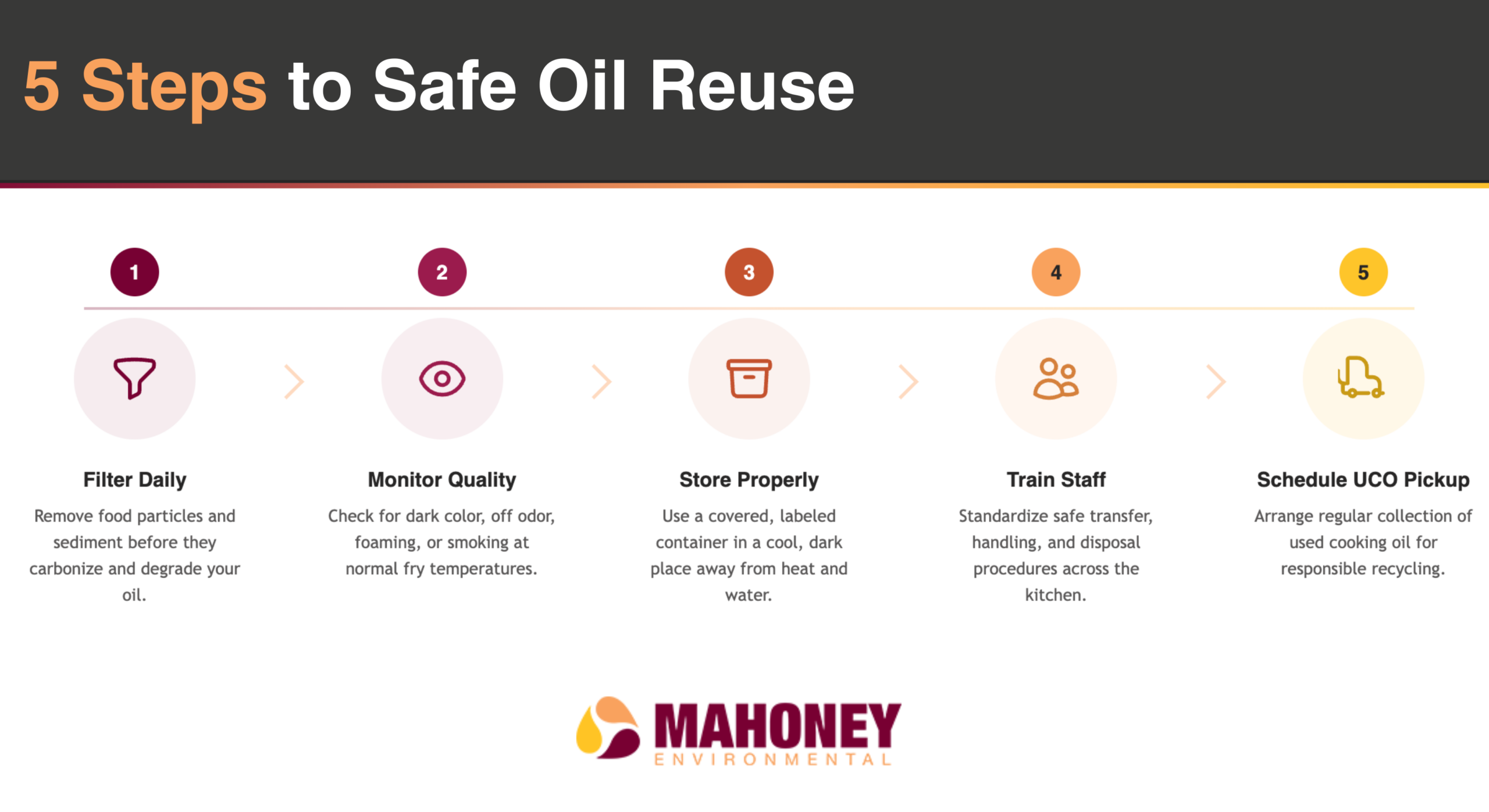
Filter Oil on a Consistent Schedule
Daily filtration is the single most effective step for extending oil life. Key guidelines include:
- Filter at least once daily; in high-volume kitchens, filter between shifts
- Use a fine mesh sieve or commercial filtration system designed for foodservice volume — a paper towel or cheesecloth may work at home, but commercial operations require equipment that matches the pace of service
- Remove food particles, carbon, and sediment before they burn and contaminate the full batch
Monitor Oil Quality During Service
Staff should be trained to recognize the signs of oil degradation. Watch for:
- Visual cues: Darkening color, visible foaming, excessive smoke at normal fry temperatures
- Performance cues: Longer cook times, inconsistent results, food that tastes flat or off
- Odor cues: Strong or rancid smell during heating
These indicators signal that the oil is approaching or past the point of safe, effective reuse.
Store Used Cooking Oil Correctly
Between uses, oil should be handled with care to slow oxidation and maintain quality:
- Store in a clean container with a tight-fitting lid
- Keep in a cool, dark place away from heat sources, water, and cleaning chemicals
- Label clearly and separate from fresh oil to prevent accidental mixing
- Never store in open or uncovered vessels
Standardize Staff Handling Procedures
Safe oil transfer is a critical kitchen procedure. Staff protocols should address:
- Established steps for draining, filtering, and moving oil safely
- Proper separation of fresh oil and used oil to prevent unintentional mixing
- Slip, burn, and spill prevention during every transfer
When Cooking Oil Should Not Be Reused
Oil should be taken out of service when it shows clear signs of breakdown, including:
- Strong, rancid odor
- Excessive smoking at normal fryer temperatures
- Thick, sticky texture
- Very dark color paired with off-flavors or poor cooking performance
Continuing to fry with degraded oil affects food quality, creates an unpleasant taste for customers, and increases the risk of residue buildup on fryer equipment. When oil reaches this stage, it should be removed from the fryer and handled as used cooking oil (UCO) for proper disposal or recycling.
Safety, Compliance, and Environmental Considerations
Proper oil management is not just about food quality. It is a safety and compliance requirement. Poor handling of cooking oil contributes to:
- Slip-and-fall injuries from spills during transfer
- Fire hazards near fryers and storage areas
- FOG (fats, oil, and grease) buildup that damages plumbing, clogs pipes, and leads to sewer backups and municipal fines
Responsible oil management also supports sustainability. When used cooking oil is collected and recycled rather than poured down a drain or sent to a landfill, it can be converted into renewable fuels and other useful products, reducing waste while supporting the operation’s bottom line.
What to Do With Oil That Can No Longer Be Reused
Once oil has reached the end of its usable life, proper handling is essential:
- Never pour used oil down drains — doing so creates blockages in pipes, contributes to FOG buildup, and can result in costly fines
- Store UCO in a designated container with a secure lid until scheduled pickup
- Keep storage areas clean and accessible for collection
Recycled cooking oil is processed into raw materials for products like renewable diesel and sustainable aviation fuel (SAF), turning a waste product into a resource that benefits the operation financially and environmentally.
How Mahoney Environmental Supports Used Cooking Oil Management
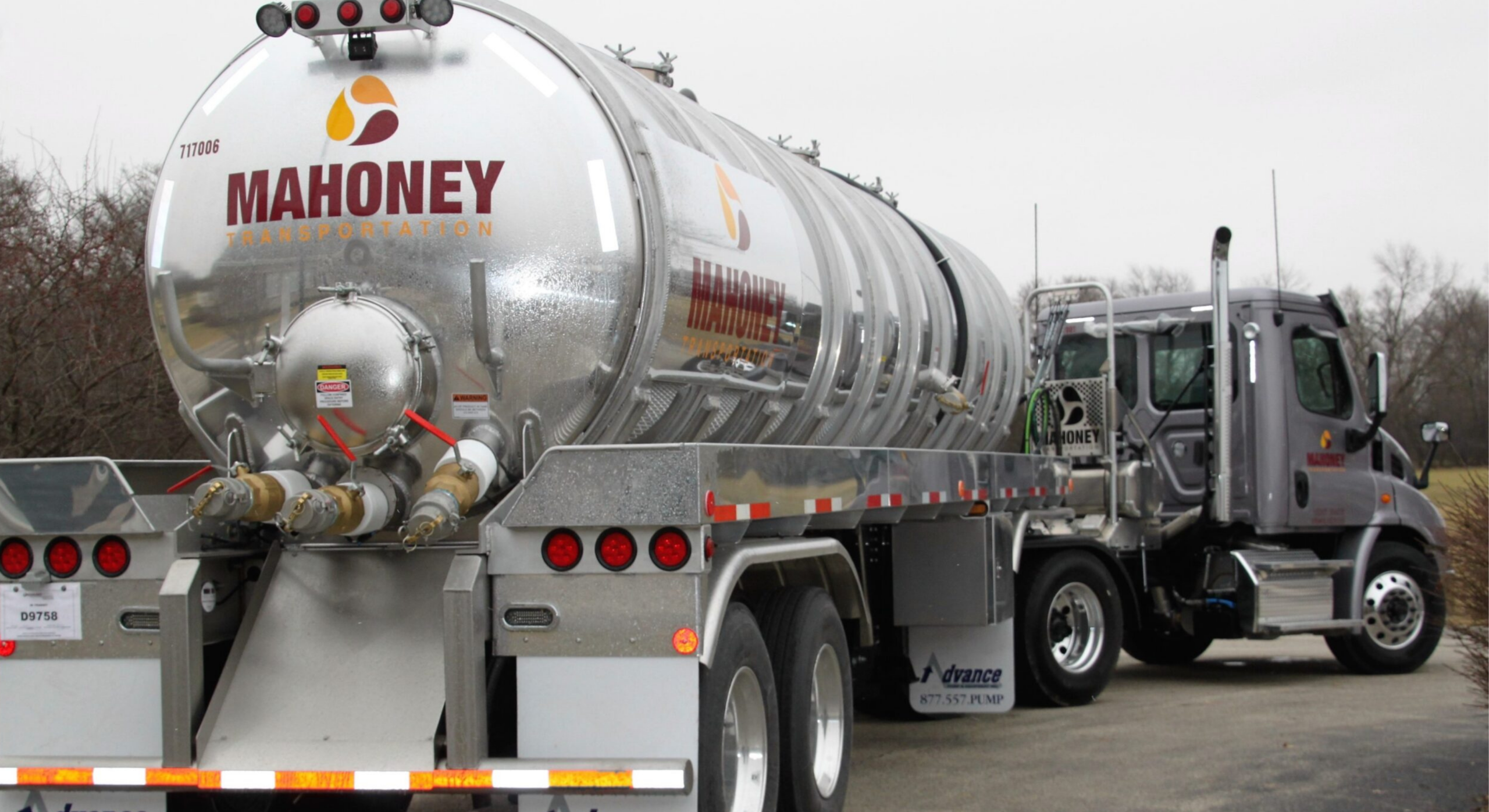
Mahoney Environmental provides customized cooking oil management systems designed to fit the specific needs of each foodservice operation. Our professionals assess volume, workflow, and storage requirements to deliver:
- Proper containers and equipment sized for the operation
- Regular UCO pickup schedules based on volume and need
- Cleaner, safer storage areas with reduced handling risks for staff
- Responsible recycling of used oil into renewable products
With a system in place, kitchens run cleaner, staff work safer, and operators gain a reliable process for managing one of the most common waste products in foodservice.
Contact Mahoney Environmental today to set up a used cooking oil program or improve an existing system.

 Call Us Now (800) 892-9392