Wrigley Field’s 35 concession stands were running on an oil disposal setup that had not kept pace with the ballpark. Staff moved waste oil by hand across the stadium, and outdoor tanks sat on the dock. Mahoney Environmental designed and built one combined system for every stand, with direct connections to the fryer banks and monitoring that keeps tanks from filling to capacity.
About Wrigley Field
Wrigley Field is one of the most recognized stadiums in the country and the center of the Lakeview neighborhood on Chicago’s north side. Home of the Cubs since 1916, the park draws millions of visitors across a season, and its 35 concession stands feed them.
The ballpark’s architect, Zachary Taylor Davis, is the namesake of the Hotel Zachary across the street, another property where we consolidated oil handling across multiple kitchens.
The Challenge: 35 Stands, Manual Oil Handling, and Outdoor Tanks
The existing disposal setup had become inconvenient for concession staff and was taking up space the ballpark needed. Three goals shaped the project.
- Combine disposal for all 35 stands into one unit. Multiple separate disposal points made the job harder than it needed to be. The ballpark wanted one system every stand could use.
- Remove the outdoor manual waste oil tanks. The tanks occupied dock and alley space and made the area harder to keep clean.
- Take waste oil handling away from employees. Carrying oil to a disposal point slowed staff down and raised the risk of spills and injuries.
The Solution: One Connected System for Every Concession Stand
We designed and fabricated equipment around the ballpark’s existing layout rather than fitting the ballpark to standard equipment.
- Custom-built disposal equipment. Fabricated for the site to make disposal simpler and safer. See our custom equipment work.
- Shuttles and caddies at each stand. Every concession stand received its own equipment for moving oil into the central system, and we trained the staff on how to use it.
- Direct connection to fryer bank filtration. Caddies tie into the filtration already built into the fryer banks, so oil goes from the fryer to the system without anyone carrying it.
- Web-based activity monitoring. The disposal unit reports its level, which keeps tanks from reaching capacity and prevents overflows.
The Results: A Safer Ballpark and a Clear Dock
- Safer, faster concession operations. Staff no longer move waste oil through the stadium during events, which cuts spill and burn risk and frees their time for service.
- A clean dock and alley. Removing the outdoor manual tanks opened up the space and made the area easier to keep clean.
- Stronger health code standing. The system is built to meet health code requirements, which helps the ballpark avoid the violations and fines that come with poor oil handling.
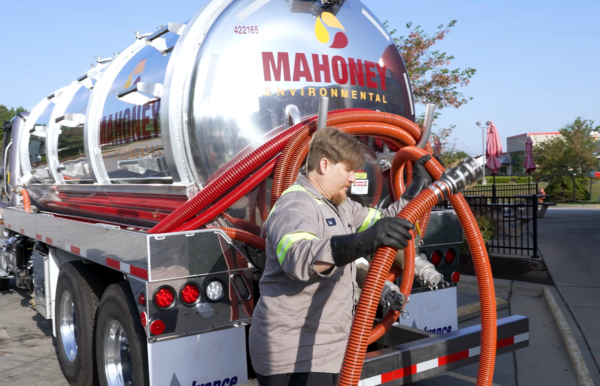
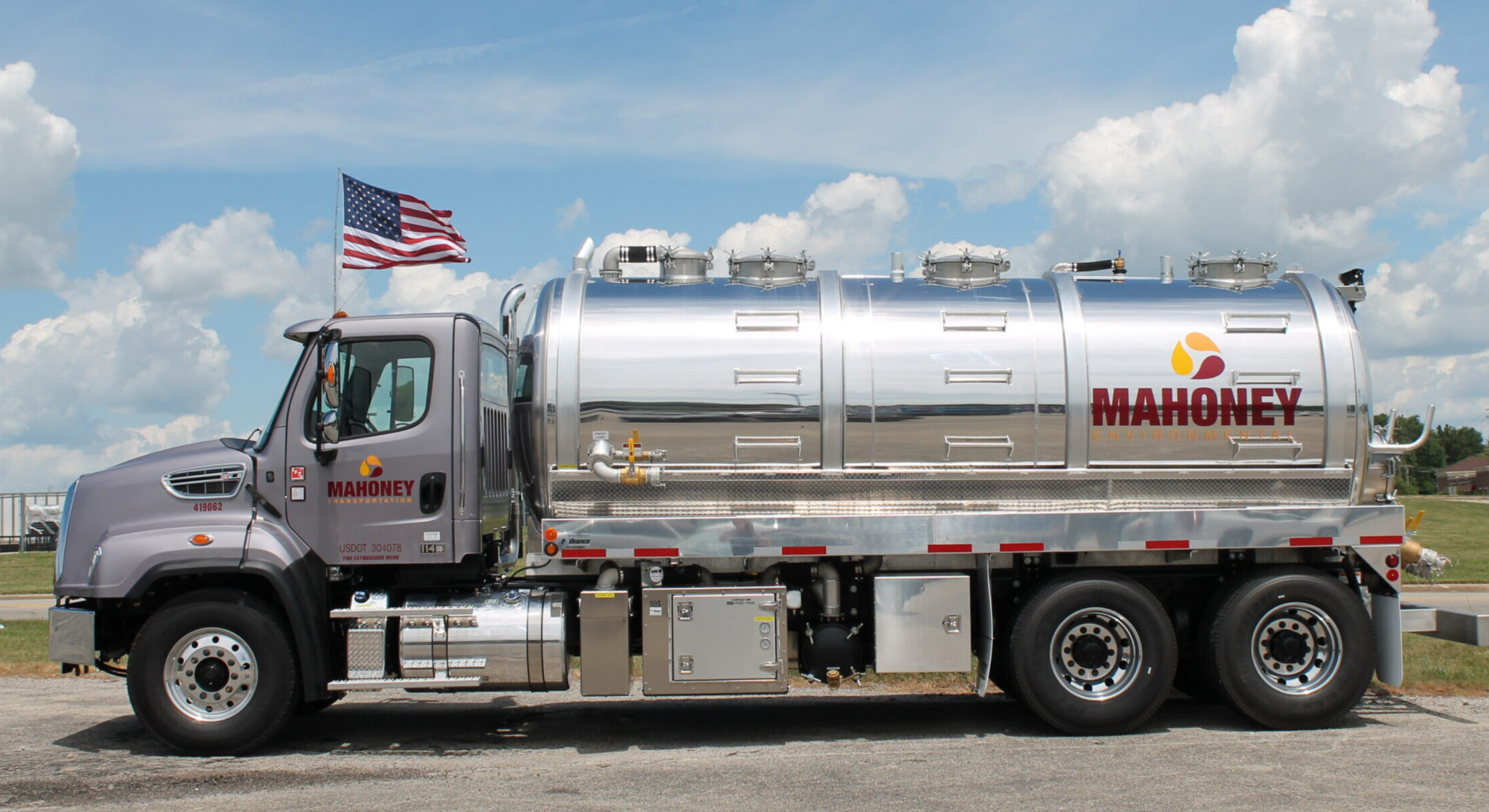
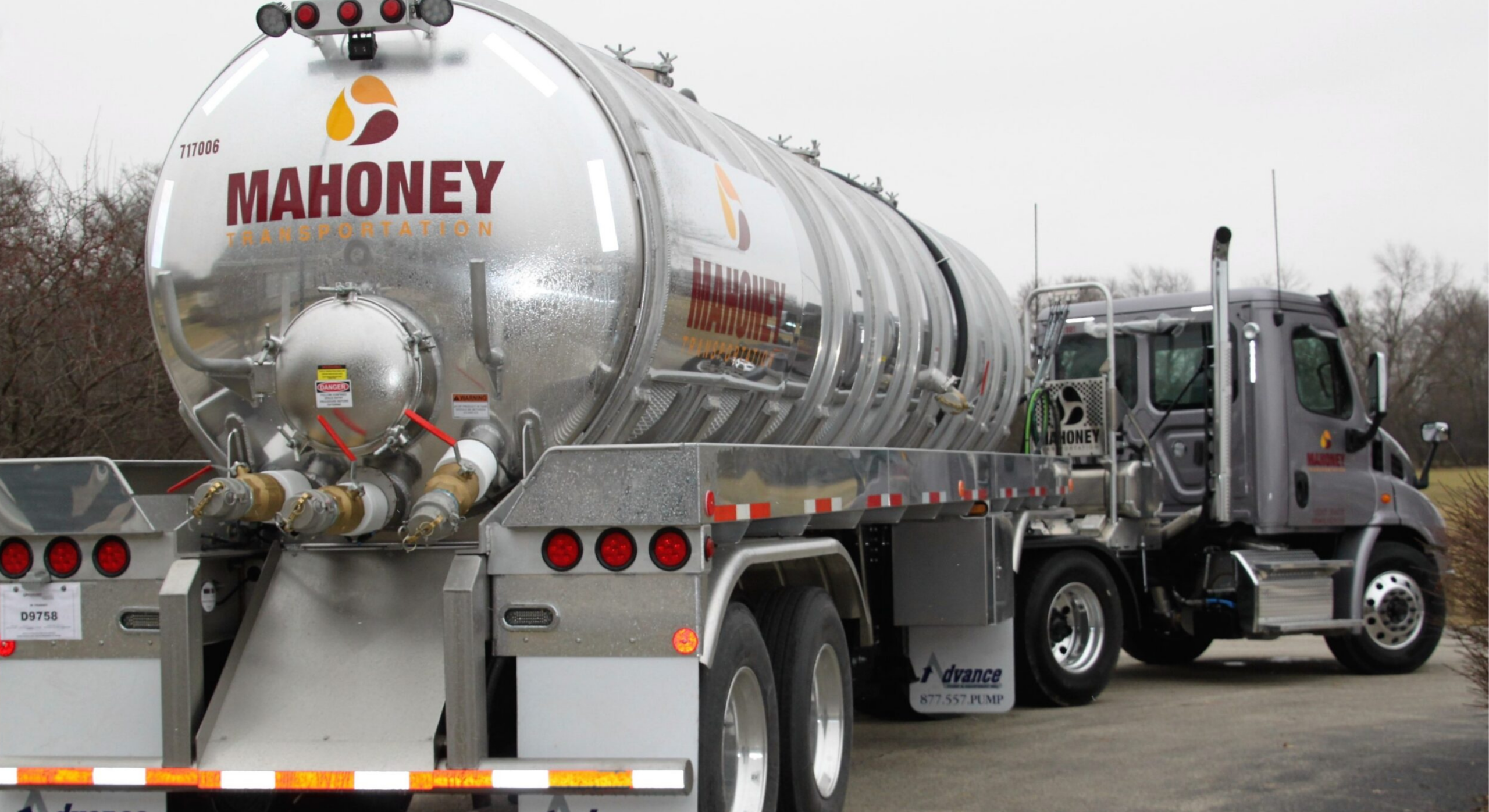
- One provider for the whole program. Mahoney designed and installed the system, trained the staff, and continues to deliver fresh oil and collect used oil on a schedule.
Collected oil leaves the ballpark and goes to our facilities for processing. Nearly 100 percent of the used cooking oil we collect and recycle is sold as feedstock for renewable fuels such as sustainable aviation fuel.
Plan a Cooking Oil System for Your Venue
Large venues rarely fit a standard setup, which is why we design around the building you already have. See our stadium and arena services or our automated systems, call (800) 892-9392 to talk through your setup, or contact us to get started.
Frequently Asked Questions
How many concession stands were included in the Wrigley Field system?
All 35 concession stands at Wrigley Field were tied into one combined disposal system, replacing the separate disposal points the ballpark had been using.
How does the system keep staff from handling waste oil?
The system keeps staff from handling waste oil by connecting caddies directly to the filtration built into the fryer banks. Oil moves from the fryer into the central system without anyone carrying a container across the stadium.
What prevents the tanks from overflowing?
Web-based activity monitoring prevents the tanks from overflowing. The unit reports its level so collection happens before it reaches capacity, which matters most during a long homestand when volume climbs fast.
Why did the outdoor waste oil tanks need to go?
The outdoor waste oil tanks needed to go because they took up dock and alley space and made that area harder to keep clean. Moving disposal to one connected system freed the space.
Can a system like this be built for another stadium?
A system like this can be built for another stadium. Concession layouts differ at every venue, so we design and fabricate around the existing building, then handle installation, staff training, fresh oil delivery, and used cooking oil collection under one account.
 Call Us Now (800) 892-9392